Homemade Pasta Recipe
Prep Time: 30 mins | Rest Time: 30 mins | Cook Time: 3 mins | Total Time: 63 mins | Servings: 4
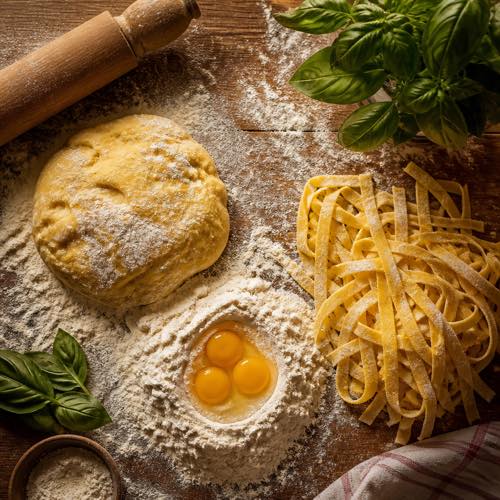
There is something deeply satisfying about transforming humble pantry staples—flour and eggs—into silky, golden ribbons of fresh pasta. If you have ever dined at an authentic Italian trattoria and marveled at the tender chew and rich flavor of genuine handmade pasta, you might assume recreating it requires commercial equipment or years of training. In truth, mastering a classic homemade pasta recipe is surprisingly simple, therapeutic, and achievable in any kitchen.
Once you experience fresh pasta from scratch, boxed noodles pale in comparison. Fresh egg pasta possesses an ethereal, velvety texture with a tender al dente bite that holds sauce like a dream. Whether tossed in browned butter with crispy sage, a luscious meat ragù, or fragrant olive oil with cracked pepper, handmade noodles transform everyday dinners into memorable meals. Best of all, learning how to make homemade pasta uses honest, wholesome ingredients with zero preservatives.
With this foolproof fresh pasta recipe, you will learn the exact sensory cues and techniques to guarantee tender, restaurant-quality results every time, whether rolling by hand or using a machine.
Why You’ll Love This Recipe

Crafting fresh pasta is a rewarding culinary ritual. Here is why this reliable recipe deserves a permanent spot in your cooking repertoire:
- Silky Texture & Rich Flavor: Delivers a luxurious chew and deep eggy richness that store-bought boxed pasta simply cannot replicate.
- Just Four Pantry Staples: Made with flour, fresh eggs, olive oil, and sea salt—no additives or specialized chemicals needed.
- Completely Beginner-Friendly: Visual, sensory cues guide you through kneading, resting, rolling, and cutting with confidence.
- Endlessly Versatile: One master dough easily shapes into fettuccine, tagliatelle, pappardelle, lasagna sheets, or ravioli.
- Fun, Hands-On Craft: Kneading supple dough and cutting ribbons makes for a fun date night or family weekend cooking project.
- Boils in Just 3 Minutes: Fresh noodles cook to al dente perfection in two to three minutes, keeping dinner prep swift.
Ingredients for Homemade Pasta
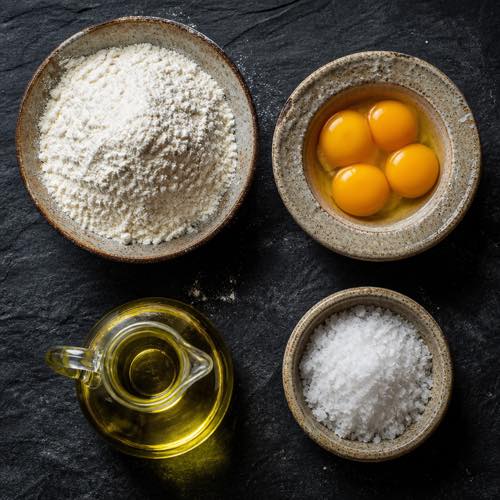
Because authentic Italian pasta relies on few components, ingredient ratios are key. Here is what you need for four servings:
- Flour (2 cups / 280g): Italian Tipo 00 flour is the gold standard, ground super-fine from soft wheat to yield silky, pliable dough. Unbleached all-purpose flour also works great with a slightly firmer chew. For rustic texture, substitute 50g with durum semolina flour.
- Large Eggs (3 whole + 1 yolk, room temperature): Supply moisture, elasticity, and golden color. The extra yolk adds richness without excess water. Room-temperature eggs blend smoothest.
- Extra Virgin Olive Oil (1 tablespoon): Lubricates gluten strands, making dough supple and significantly easier to knead and roll out.
- Fine Sea Salt (1/2 teaspoon): Enhances grain flavor and balances rich egg yolks.
- Water (1 to 2 teaspoons, optional): Keep cool water nearby to moisten dry fingertips if dough feels crumbly.
Flour Guide & Swaps
- Tipo 00 vs. All-Purpose: Tipo 00 yields delicate, tender sheets ideal for ravioli and tagliatelle. All-purpose flour provides a heartier chew suited for fettuccine.
- Egg-Based vs. Eggless: For a vegan Southern Italian dough (for cavatelli or orecchiette), swap eggs for 2/3 cup warm water and 1 tablespoon olive oil mixed with durum semolina.
Equipment You’ll Need

You do not need an elaborate setup to make outstanding fresh noodles. Choose the equipment matching what you have:
- Clean Work Surface: A wooden pastry board or smooth countertop provides ideal friction for kneading and rolling.
- Fork & Bench Scraper: A sturdy fork whisks eggs in the well; a bench scraper gathers flour, cleans surfaces, and divides dough cleanly.
- Plastic Wrap: Keeps dough airtight during its essential resting phase so it stays moist.
- Rolling Equipment (Choose One):
- Wooden Rolling Pin: Gives total tactile control for traditional hand-rolled pasta.
- Manual Crank Machine: A classic Marcato roller rolls uniform sheets quickly with built-in cutters.
- Stand Mixer Attachment: Motorized rollers slip onto your mixer, freeing both hands to guide sheets.
- Sharp Chef’s Knife or Pastry Wheel: Neatly slices rolled sheets into clean ribbons or ruffled noodles.
- Baking Sheet & Parchment: Dusted with semolina to hold cut pasta nests before boiling.
Step-by-Step Instructions: How to Make Homemade Pasta

Follow these straightforward steps to craft tender, silky fresh pasta from scratch:
- Build the Flour Well: Mound 2 cups of flour onto your clean board. Hollow out a wide, deep well in the center with high, sturdy walls like a crater. Keep a thin flour dusting at the base so liquid does not stick to the counter.
- Add Wet Ingredients: Crack 3 whole eggs and 1 yolk into the center. Add 1 tablespoon olive oil and 1/2 teaspoon fine sea salt.
- Whisk and Incorporate: Gently beat eggs, oil, and salt with a fork. Gradually draw small amounts of flour from inner walls into the center, whisking constantly until a thick custard-like slurry forms. Avoid breaking the outer wall prematurely.
- Form Shaggy Dough: When too thick to whisk, use your hands and bench scraper to fold remaining flour inward. Squeeze crumbs together into a cohesive ball. Dab dry spots with drops of water, or sprinkle a teaspoon of flour if sticky.
- Knead to Silky Smoothness: Dust your board lightly. Press the heel of your hand down and forward into the dough, stretching it away. Fold over, rotate 90 degrees, and repeat: push, fold, rotate. Knead firmly for 8 to 10 minutes until satin-smooth, elastic, and supple.
- Test Elasticity: Press a thumb into the dough ball. If the dent springs back slowly within seconds, gluten is properly developed. If it stays indented, knead for 2 more minutes.
- Rest the Dough (Crucial): Shape into a smooth disc and wrap tightly in plastic wrap. Rest at room temperature for 30 minutes (or up to 2 hours). This relaxes tense gluten and hydrates starches, allowing effortless rolling without spring-back.
- Divide and Flatten: Cut dough into four equal quarters with a bench scraper. Rewrap three pieces. Flatten the working piece into a 1/2-inch thick oval rectangle.
- Roll Out the Sheet:
- Machine Method: Dust dough with flour and feed through the widest setting (#1). Fold ends like a business letter and pass through twice more. Gradually narrow settings notch by notch, rolling once per setting until reaching #6 or #7 (approx. 1/16-inch thick, translucent enough to see hand shadows).
- Hand Method: Dust rolling pin and roll from center outward, rotating frequently. Roll firmly until paper-thin and translucent.
- Cut into Shapes: Dust sheets generously with coarse semolina. Loosely fold accordion-style or roll into a cylinder. Slice crosswise with a sharp knife into ribbons (1/4-inch for tagliatelle, 1/3-inch for fettuccine, 1-inch for pappardelle). Unfurl ribbons, toss in semolina, and twirl into nests on your sheet pan.
- Boil to Al Dente: Bring 4 to 5 quarts of water to a rolling boil and season with 2 tablespoons kosher salt. Drop nests in and stir gently. Boil for 2 to 3 minutes until tender with a pleasant al dente chew. Drain, reserving 1/2 cup pasta water for sauce.
Tips for Perfect Homemade Pasta

Artisan pasta perfection relies on sensory cues and solid technique. Keep these kitchen tips in mind:
- Use Room-Temperature Eggs: Cold eggs stiffen fats and slow flour hydration. Warm eggs create a smoother, more cohesive dough.
- Never Skip the Rest: Rolling un-rested dough leads to snap-back and tearing. A 30-minute rest lets gluten relax so dough rolls paper-thin effortlessly.
- Dust with Coarse Semolina: Avoid fine all-purpose flour for dusting cut noodles, which turns gummy. Coarse semolina acts like tiny ball bearings, keeping pasta nests dry and separated.
- Roll Thinner Than You Expect: Fresh pasta expands significantly when boiled. Roll dough sheets until you can clearly see hand silhouettes underneath.
- Season Water Generously: The dough contains little salt, so two tablespoons of kosher salt in boiling water seasons noodles from within.
- Save Starchy Water: Never rinse cooked noodles. Toss hot pasta into sauce with a splash of reserved cooking water for a glossy, clingy coating.
Delicious Pasta Shapes You Can Make
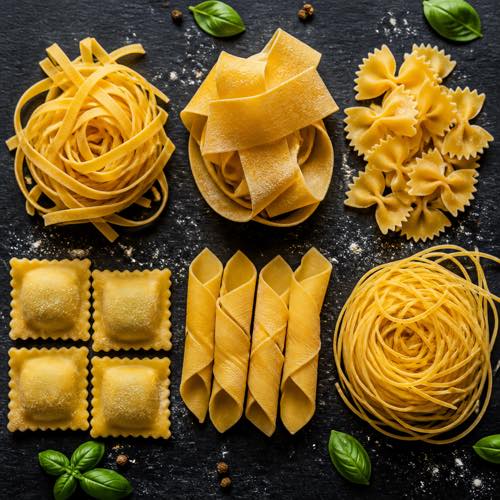
One master batch of fresh egg dough easily transforms into an array of classic Italian pasta shapes:
- Fettuccine (1/3-inch ribbons): Substantial Roman ribbons ideal for rich, creamy sauces like Alfredo, four-cheese blends, or garlic butter.
- Tagliatelle (1/4-inch ribbons): Delicate Bolognese ribbons, the traditional pairing for authentic slow-simmered meat ragù.
- Pappardelle (1-inch wide ribbons): Broad ribbons cut with a chef’s knife, tailored for rustic braised short ribs or wild mushroom sauce.
- Lasagna Sheets: Trim sheets into rectangles fitting your pan. Blanch for 60 seconds before layering with marinara and béchamel.
- Hand-Pinched Farfalle: Cut dough into 1×1.5-inch fluted rectangles and pinch the centers tightly. Great with spring peas and light cream.
- Stuffed Ravioli: Spoon ricotta filling at two-inch intervals, drape a second sheet over top, press out air, and cut sealed squares with a pastry wheel.
Flavorful Recipe Variations
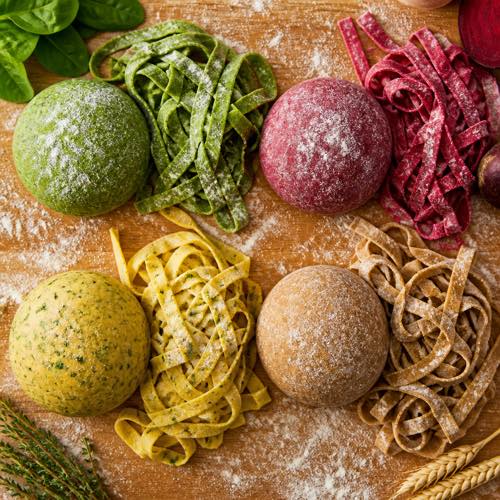
Once comfortable with basic egg dough, explore creative natural colors and botanical infusions:
- Spinach Green (Pasta Verde): Blanch 5 oz baby spinach for 30 seconds, chill, and squeeze completely dry. Puree with eggs before mixing into flour for an emerald hue and mild sweetness.
- Ruby Beetroot Pasta: Roast a medium beet until tender, peel, and puree with your eggs. Imparts a brilliant magenta color that pairs beautifully with goat cheese and brown butter.
- Herb-Laminated Sheets: Roll dough to medium thickness, lay flat-leaf parsley or tarragon leaves across half the sheet, fold over, and roll thin to seal herbs inside like stained glass.
- Rustic Whole Wheat: Replace 50% of white flour with whole wheat for nutty flavor and fiber. Add an extra splash of water to balance grain absorption.
- Vegan Semolina Dough: Mix 2 cups durum semolina with 2/3 cup warm water, 1 tbsp olive oil, and 1/2 tsp salt. Knead 10 minutes for chewy cavatelli or orecchiette.
Best Sauces to Pair with Fresh Pasta
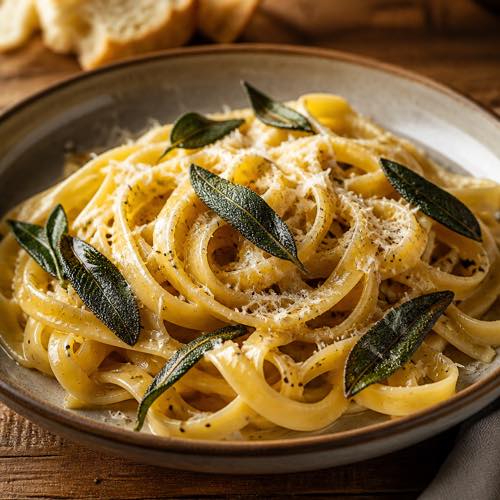
Fresh egg pasta is delicate, so pair it with sauces that enhance its silky chew without overpowering it:
- Brown Butter & Crispy Sage: Melt unsalted butter until nutty and amber, crisp fresh sage leaves in the foam, and toss with tagliatelle and grated Parmigiano-Reggiano.
- Roman Cacio e Pepe: Toast cracked black pepper, toss with hot pasta, finely grated Pecorino Romano, and starchy water for an instant creamy emulsion.
- Burst Cherry Tomato Pomodoro: Sauté garlic in olive oil, burst sweet cherry tomatoes until jammy, and finish with torn fresh basil for bright acidity.
- Traditional Carbonara: Whisk eggs, yolks, Pecorino, and pepper. Crisp pancetta, remove pan from heat, add hot noodles, and fold in egg mixture until glossy.
- Gorgonzola & Walnut Sauce: Melt sweet Gorgonzola into a splash of cream with nutmeg. Toss with pappardelle and top with toasted chopped walnuts.
How to Store and Freeze Fresh Pasta

Fresh pasta tastes best cooked immediately, but it stores conveniently for future weeknight dinners:
- Same-Day Use: Twirl cut ribbons into loose nests on semolina-dusted parchment. Cover with a clean tea towel at room temperature for up to 3 hours before boiling.
- Refrigerating (Up to 2 Days): Dust nests with semolina, air-dry 30 minutes, then seal in an airtight container in the fridge. Dough may darken slightly from oxidation, which is harmless.
- Freezing Nests (Best Method – Up to 3 Months): Freeze semolina-dusted nests on a baking sheet for 1 hour until rigid. Transfer to a sealed freezer bag. Freezing preserves fresh color and texture perfectly.
- Cooking from Frozen (No Thawing): Drop frozen nests directly into boiling salted water without thawing. Add 60 to 90 seconds to standard cooking time (approx. 3 to 4 minutes total).
- Air-Drying: Suitable for eggless semolina pasta on racks for 24 hours. For egg pasta, freezing is much safer and maintains superior quality.
Frequently Asked Questions

Here are answers to common questions beginners ask when learning how to make homemade pasta:
Can I make homemade pasta without a pasta machine?
Yes, absolutely! Italian cooks crafted handmade noodles for centuries using only a wooden rolling pin and a sharp knife. Rolling by hand takes a bit more effort to stretch sheets thin, but the rustic texture clings wonderfully to sauces. You can make delicious fettuccine, pappardelle, and lasagna sheets by hand tonight.
What is the difference between Italian Tipo 00 and all-purpose flour?
The difference lies in grind size and wheat variety. Tipo 00 is milled from soft wheat into a powdery texture as fine as talc, creating a silky, pliable dough that rolls smoothly. All-purpose flour has slightly higher protein, yielding a firmer chew. Both produce delicious pasta, so use what is available.
Why did my pasta dough turn out rubbery or tough?
Tough pasta usually stems from incorporating excess flour or skipping the resting period. Excess flour creates a dry, dense dough. Skipping the 30-minute rest leaves gluten proteins tense, which resists rolling and cooks into heavy noodles. Resting ensures a tender, delicate bite.
How do I prevent cut fresh noodles from sticking together?
Always dust cut noodles with coarse semolina flour rather than all-purpose flour. Fine flour dissolves into surface moisture, forming a paste that glues strands together. Coarse semolina sits on the surface like tiny ball bearings, keeping pasta nests dry and separated.
Conclusion

Mastering this classic homemade pasta recipe is one of the most rewarding culinary skills you can bring into your home kitchen. What starts as a simple mound of flour and golden eggs quickly transforms into a restaurant-quality meal that brings warmth and comfort to your table.
From the tactile joy of kneading supple dough to twirling fresh, silky ribbons onto dinner plates, handmade pasta turns everyday cooking into a celebration. Gather your ingredients, dust your work surface, and enjoy the timeless magic of fresh pasta from scratch!