Why Are My Nails Yellow?
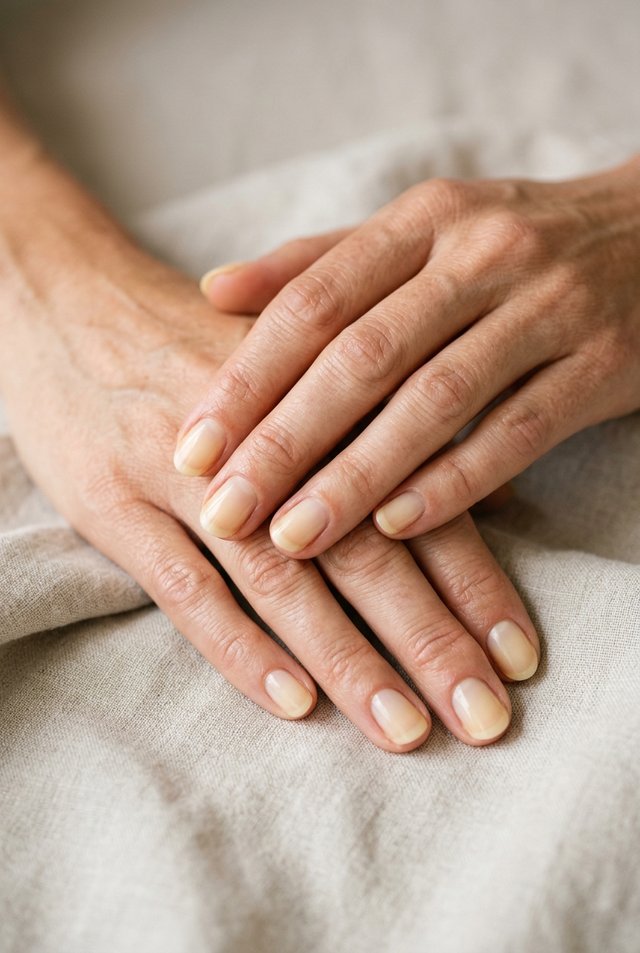
Few beauty moments are quite as unexpected as wiping off a manicure and asking yourself: why are my nails yellow? Noticing an unfamiliar yellowish tinge across your bare nail plate can cause immediate worry. Fortunately, yellow nails are an extremely common experience, and in most instances, the explanation is completely harmless, cosmetic, and easy to resolve.
Human nails are composed of layered keratin protein, which is naturally porous and interacts directly with daily products and environments. A yellowish tint can stem from dark nail polish, regular contact with spices or self-tanners, minor physical trauma, or natural age-related changes. In some cases, persistent discoloration indicates a fungal infection or a medical condition that warrants professional care.
In this guide, you will learn the common causes of yellow nails, practical at-home tips, answers to key questions, and when to seek medical advice.
Quick Answer: Why Are My Nails Yellow?

For a quick, easy-to-scan summary, yellow nails are most frequently linked to the following everyday cosmetic, environmental, and health factors:
- Nail Polish Staining: Dark lacquers leach pigments into porous keratin when used without a base coat.
- Frequent Dark Manicures: Wearing polish continuously for weeks traps surface stains.
- Smoking or Nicotine Exposure: Tobacco smoke leaves sticky yellowish-brown tar residue on fingertips and nails.
- Fungal Nail Infections: Fungi in the nail bed cause yellowing, usually accompanied by thickening or crumbling.
- Nail Trauma: Impacts or tight shoes cause micro-damage that discolors nails during healing.
- Product Buildup & Hygiene: Residues from spices like turmeric, self-tanners, or hair dyes stain keratin.
- Certain Skin Conditions: Psoriasis or eczema can occasionally alter nail development.
- Natural Aging: Slower nail growth causes nails to become thicker and subtly yellowed over time.
- Medications or Health Factors: Certain prescription drugs or health conditions influence nail color.
Because multiple causes create a similar yellowish shade, appearance alone cannot confirm a diagnosis. Observing nail texture and behavior provides essential context.
Common Reasons Your Nails May Look Yellow
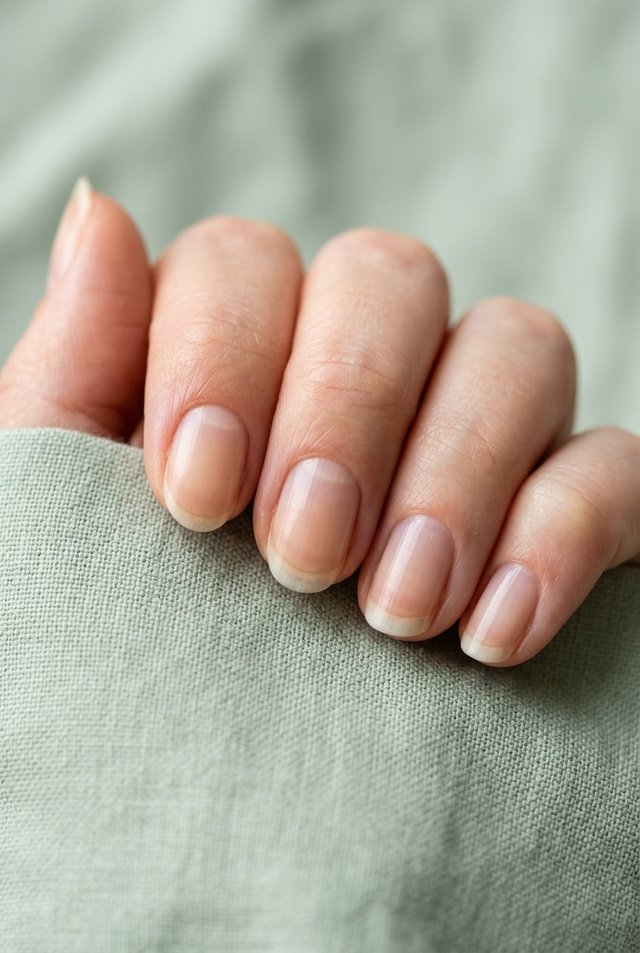
To understand why your nails changed color, let us examine the primary triggers in detail. While many causes are purely cosmetic, others indicate conditions that benefit from healthcare evaluation.
Nail Polish Staining
Cosmetic staining from nail lacquer is the leading cause of yellow fingernails. Polishes contain concentrated pigments that seep into porous keratin when applied without a base coat. Saturated shades like crimson, plum, navy, and black are especially prone to staining, though the underlying nail remains healthy.
Fungal Nail Infection
A fungal nail infection (onychomycosis) occurs when microscopic fungi enter beneath the nail plate, turning it yellow, brown, or white. Fungal infections are typically accompanied by structural changes, such as thickening, crumbling edges, or lifting. Not every yellow nail is fungal; textural changes are key distinguishing signs.
Smoking and Nicotine Staining
Smoking tobacco is another frequent cause of localized yellow discoloration. Nicotine and tar in cigarette smoke adhere tightly to surfaces. Holding burning cigarettes repeatedly exposes fingertips to smoke, leaving stubborn residue on nails. This staining typically appears on the dominant smoking hand and clears as fresh nail grows out.
Nail Trauma or Damage
Physical injuries to the nail unit can temporarily alter nail appearance. Dropping an object on a toe, pinching a finger, or wearing tight shoes disrupts healthy growth. Similarly, aggressive salon practices—such as forceful acrylic removal or rough filing—can leave the nail discolored and uneven as it recovers.
Poor Nail Hygiene or Product Buildup
Everyday substances can easily leave yellow stains on hands. Frequently cooking with culinary spices like turmeric or curry creates a golden tint that lingers for days. Similarly, self-tanners, hair dyes, and cleaning chemicals settle into nail micro-ridges, while unwashed debris under the nail creates a dingy appearance.
Certain Skin Conditions
Because nails are specialized extensions of the skin, inflammatory dermatological conditions affect them directly. Nail psoriasis frequently produces yellowish-red “salmon patches” beneath the plate, alongside pitting or thickening. Eczema and lichen planus can also cause surface grooving and yellow discoloration.
Natural Aging
As part of natural aging, cell turnover in the nail matrix slows down. Older nail plates remain in place longer, developing vertical ridges, slight thickening, and a subtle yellowish or grayish tone. This gradual change occurs across all nails and is completely normal.
Medications or Underlying Health Conditions
In a minority of cases, yellow nails stem from systemic health factors or medications. Specific drugs, like certain antibiotics or chemotherapy agents, can alter nail color. Rarely, Yellow Nail Syndrome causes thick, curved, slow-growing yellow nails linked with respiratory conditions or lymphedema. Diabetes or thyroid imbalances can also influence nail development.
Yellow Nails From Nail Polish: Is It Normal?
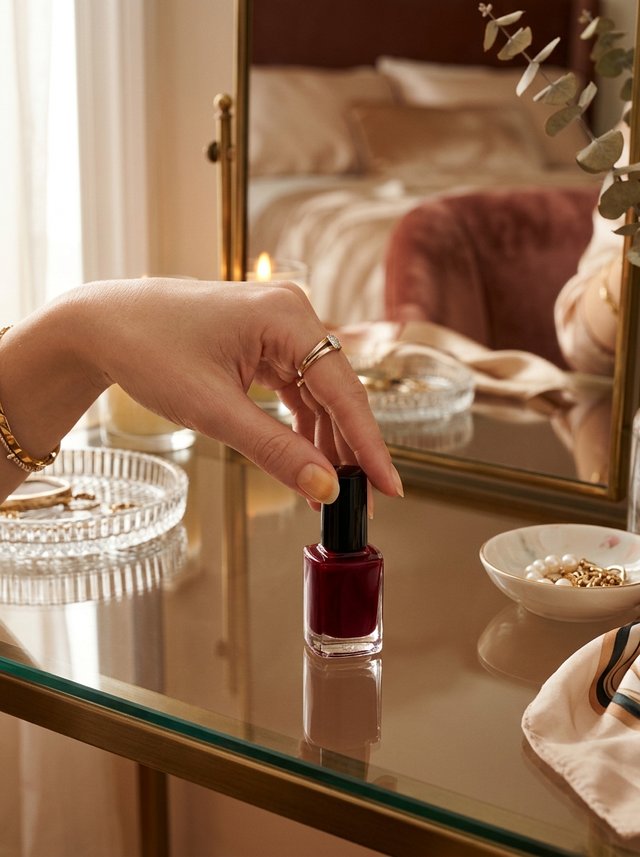
If you regularly wear nail polish and notice a yellowish cast after removing a dark manicure, rest assured: this is completely normal and represents the most common reason for discolored nails. Cosmetic staining happens to nearly every manicure enthusiast, and understanding how it happens makes it easy to prevent.
Although the nail surface feels hard, keratin is slightly porous. Concentrated chemical dyes, solvents, and pigments in dark polishes—especially reds, plums, navy blues, dark oranges, and blacks—can seep into the top cell layers. Staining is exacerbated by skipping a base coat, leaving polish on for multiple weeks, or applying dark coats continuously without a rest period.
The comforting news is that polish staining is purely cosmetic. The living nail matrix under the cuticle remains healthy. As the nail steadily grows outward, the discolored portion will gradually move toward the tip until it is trimmed away.
How to Tell If Yellow Nails Could Be a Fungal Infection

Distinguishing harmless polish staining from an active fungal infection helps you decide whether basic nail care is sufficient or if medical advice is needed. While only a doctor can provide a formal diagnosis, fungal infections generally exhibit distinct characteristics:
- Nail Thickening: Fungal infections cause the nail plate to become noticeably thick, rigid, and tough to trim.
- Brittleness and Crumbling: Fungal enzymes break down keratin, making the nail edge ragged, fragile, and crumbly.
- Nail Lifting (Onycholysis): Fungal growth often causes the nail plate to detach from the nail bed.
- Debris Under the Nail: Soft, yellowish-white keratin debris frequently gathers beneath a lifted nail.
- Patchy Discoloration: Fungal nails typically develop irregular streaks of yellow, white, or brown.
- Gradual Worsening: Fungal infections persist or spread to neighboring nails without treatment.
These signs are helpful guidelines rather than a confirmed diagnosis. If your yellow nails show thickening, crumbling, or lifting, seek evaluation from a healthcare professional.
How to Get Rid of Yellow Nails
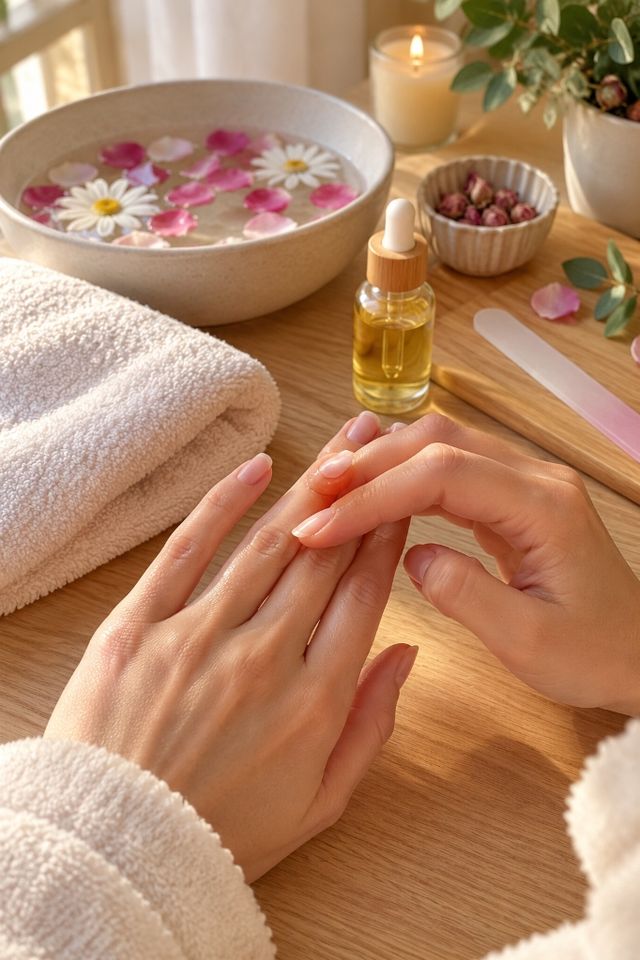
When dealing with yellow nails caused by polish staining or product buildup, gentle and supportive nail care is the safest approach. Nurturing your nail barrier encourages healthy regrowth without compromising keratin strength. Follow these practical recommendations:
- Take a Polish Break: Remove all polish with an acetone-free remover and leave nails bare for two to three weeks.
- Always Use a Protective Base Coat: Apply a clear base coat before using colored polish to prevent pigment absorption.
- Keep Nails Clean, Short, and Dry: Trim nails regularly and gently smooth edges with a glass file.
- Moisturize Nails Daily: Massage jojoba oil or cuticle balm into nail beds daily to improve elasticity.
- Avoid Harsh Buffing: Buffing away stains with a coarse file strips protective layers, leaving nails weak.
- Do Not Dig Under Nails: Probing under nails with sharp metal tools can tear the hyponychium seal.
- Wear Protective Gloves: Protect your hands with rubber gloves when washing dishes or handling chemicals.
Can You Whiten Yellow Nails at Home?
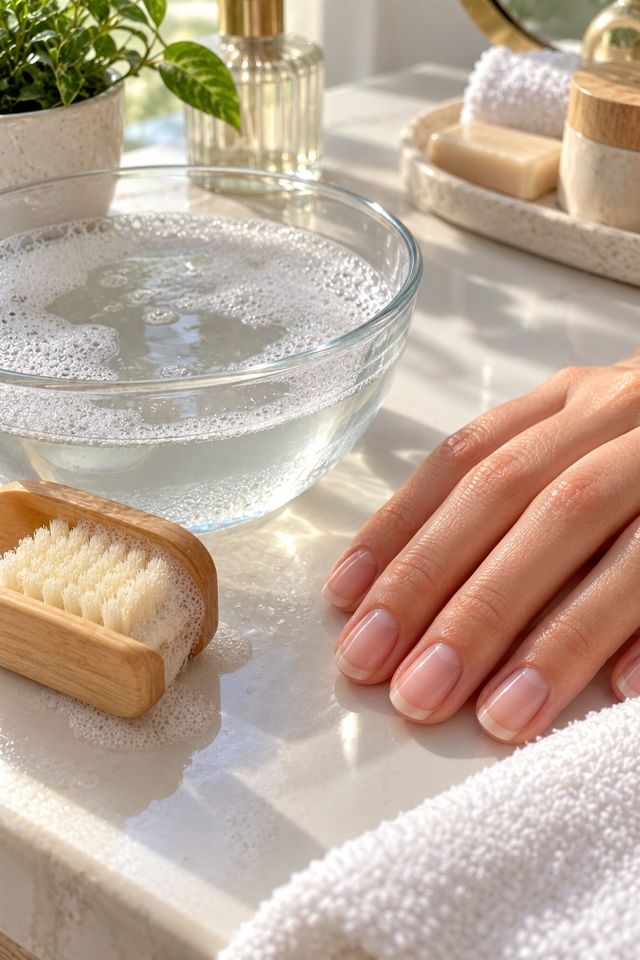
Many online remedies claim to whiten yellow nails instantly using baking soda, lemon juice, or hydrogen peroxide pastes. While wanting quick results is natural, setting realistic expectations and protecting nail health is vital.
If yellowing is caused by superficial cosmetic staining, gentle methods may provide modest lightening. Lightly scrubbing the nail plate with a soft brush and non-abrasive whitening toothpaste or soaking fingertips for two minutes in warm water with a small splash of 3% hydrogen peroxide can help lift surface pigment.
However, aggressive DIY tactics should be avoided:
- Avoid Neat Lemon Juice or Vinegar: Undiluted acids severely dry out keratin, causing nail peeling and irritated cuticles.
- Never Use Household Bleach: Bleach is caustic, causes chemical burns, and should never touch bare skin or nails.
- DIY Methods Do Not Treat Infections: Topical home mixtures cannot cure fungal infections or internal health conditions.
The safest way to restore your natural nail color is patience, allowing fresh, clear keratin to grow out naturally while keeping nails well nourished.
How Long Does It Take for Yellow Nails to Go Away?

How quickly yellow nails clear depends on the root cause. Fingernails grow roughly 3 to 3.5 millimeters per month, taking four to six months to completely replace themselves. Toenails grow much slower—averaging 1 to 1.5 millimeters per month—meaning a toenail takes nine to eighteen months to fully regenerate.
- Polish Stains: Surface stains fade within weeks and vanish as the stained edge is trimmed off.
- Smoking Stains: Clear nail emerges at the base once smoking stops, replacing discolored keratin over several months.
- Fungal Infections: Require targeted therapy; visible clearing happens gradually as healthy nail replaces damaged tissue.
- Nail Trauma: Color changes steadily move outward with natural growth until trimmed away.
Resist the urge to cover yellow nails with dark lacquer, as hiding them prevents monitoring progress and traps moisture.
When Should You See a Doctor or Dermatologist?

While most yellow nail cases are cosmetic and harmless, certain signs warrant professional evaluation. Consulting a doctor or board-certified dermatologist ensures an accurate diagnosis and targeted treatment plan.
Schedule an appointment if you notice any of the following symptoms:
- Persistent Discoloration: The yellowing fails to improve or worsens despite several weeks without nail polish.
- Changes in Thickness or Texture: Nails become unusually thick, brittle, crumbly, or distorted.
- Nail Separation (Onycholysis): The nail lifts away from the nail bed, creating gaps or collecting debris underneath.
- Pain, Redness, or Swelling: Any tenderness, swelling, throbbing, or fluid discharge suggests an active infection needing prompt care.
- Widespread Changes: Multiple fingernails or toenails change color or texture simultaneously without an obvious cosmetic reason.
- Underlying Health Issues: Individuals with diabetes, poor circulation, or immune disorders should always have nail changes evaluated promptly.
A dermatologist can run simple diagnostic tests, such as a fungal culture, to pinpoint the underlying issue and prescribe clinically proven treatments.
Tips for Preventing Yellow Nails
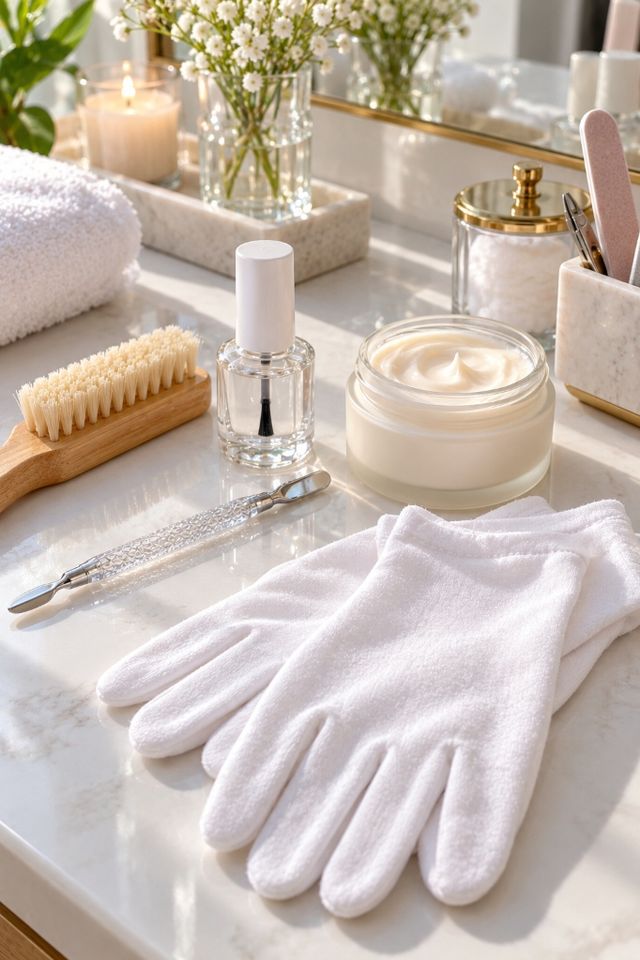
Preventing yellow nails is much simpler than waiting months for stained keratin to grow out. Incorporating these healthy nail habits into your routine keeps your nails clear, strong, and radiant:
- Always Use a Base Coat: Apply a clear base coat before colored polish, especially with red, plum, navy, or black shades.
- Alternate Polish Colors: Rotate dark lacquers with soft pinks, nudes, or clear nail hardeners to give keratin a break from heavy pigments.
- Take Regular Polish Holidays: Leave nails completely bare for one week each month to rehydrate cuticles and monitor natural nail health.
- Choose Gentle Removers: Use acetone-free nail polish removers enriched with nourishing oils to prevent excessive nail dryness.
- Sanitize Manicure Tools: Disinfect clippers and files regularly with rubbing alcohol and never share tools with others.
- Wear Breathable Shoes: Keep feet dry, change socks daily, and choose well-ventilated footwear to ward off fungal spores.
- Wear Gloves for Chores: Put on rubber gloves when washing dishes, using household detergents, or cooking with staining spices.
- Eat a Balanced Diet: Support strong keratin growth by eating foods rich in protein, biotin, zinc, iron, and healthy fats.
Yellow Toenails vs. Yellow Fingernails

Although fingernails and toenails are made from identical keratin protein, their distinct daily environments create different discoloration risks.
Fingernails enjoy open air, frequent washing, and frequent manicures. Consequently, yellow fingernails are most often caused by polish staining, tanning products, smoking, or minor surface damage. Because fingernails grow relatively quickly, clearing cosmetic stains on hands is usually swift and straightforward.
Toenails spend hours trapped inside dark, warm, and humid footwear. This environment makes fungal infections (onychomycosis) far more prevalent in toenails than in fingernails. Toenails also endure constant friction from walking, leading to micro-injuries and thickening. Because toenails grow slowly, clearing yellow toenails requires greater patience and consistent foot hygiene.
Frequently Asked Questions
Why are my nails yellow but healthy?
If your nails remain smooth and strong without thickening or crumbling, the yellow hue is superficial cosmetic staining from dark polish, self-tanners, or spices like turmeric.
Can nail polish make your nails yellow?
Yes. Deeply pigmented shades like red, navy, plum, and black leach dyes into porous keratin layers when applied without a protective base coat or left on for weeks.
How do I get rid of yellow nails?
Remove all polish, give nails two to three weeks of rest, moisturize daily with cuticle oil, and always use a clear base coat before future manicures.
Are yellow nails always a sign of fungus?
No. Fungal infections almost always cause thickening, brittleness, or crumbling. Smooth, strong yellow nails are far more likely caused by cosmetic staining.
How long does it take for yellow nails to grow out?
Fingernails take four to six months to completely grow out, while slower-growing toenails take nine to eighteen months. Superficial stains often fade in weeks.
Can smoking make your nails yellow?
Yes. Tar and nicotine from cigarette smoke leave sticky yellowish-brown residue on nail plates. Staining stops once smoking ceases and clears as new nail grows.
Why are my toenails yellow?
Yellow toenails are most commonly caused by fungal nail infections thriving in dark, warm footwear, micro-trauma from athletic shoes, or dark pedicure polish without a base coat.
Should I stop wearing nail polish if my nails are yellow?
Yes, taking a temporary break for two to four weeks lets your nails rest, prevents further staining, and allows you to confirm that clear nail is emerging at the cuticle.
When should I see a doctor about yellow nails?
Consult a doctor or dermatologist if yellowing persists after weeks without polish, if nails become thick, crumbly, or detached, if there is pain or swelling, or if you have diabetes.
Conclusion
Noticing an unexpected change in your nail color can certainly be surprising, but understanding the many everyday reasons behind it brings welcome clarity. So, when you find yourself wondering why are my nails yellow, remember that the answer most often lies in harmless, common cosmetic factors—such as dark nail polish, a missed base coat, or daily product exposure—rather than an urgent health concern.
By adopting supportive habits—such as giving your nails regular polish breaks, moisturizing cuticles daily with nourishing oils, wearing protective gloves during chores, and always applying a high-quality base coat—you can keep your natural nails looking clear, resilient, and healthy. At the same time, keeping an eye out for textural changes or thickening ensures that if an infection or medical condition does occur, you can partner with a healthcare professional early for safe, effective care.